The Gift of Change
The gift of change
Randy once wanted to leave Simon House. Now he returns every Wednesday to help others through their first days. Alongside his wife, Kim, he reflects on the work of recovery—and the life they are sharing again.
“It’s the gift of having changed my life.” — Randy
Every Wednesday at one o’clock, Randy goes back to Simon House. He helps orient new residents, whom he calls brothers, and tells them what it was like when he arrived: the nervous walk to the office, the handshakes, the welcome—and the wish, just hours later, to leave.
He does not tell them it was easy. He tells them what helped him stay.
There was a time when Randy could not see himself in the people around him. He had a home, a family and a long working life. He struggled to understand what he had in common with residents whose circumstances looked very different from his own.
But alcohol had already begun taking away the life he knew.
Randy says his drinking escalated during the pandemic, amid intense work stress. What he used to unwind became increasingly difficult to control. Kim remembers the strain on their marriage, and how hard it became to recognize the relationship they had once shared.
On their wedding anniversary, she left him a letter and went away. She loved him, but could no longer live as they were living. It was a painful decision, not an easy ultimatum.
About two weeks later, Randy called and asked her to take him to hospital. After medical care, he entered detox. While he was there, Kim researched treatment options. She felt Simon House’s variety of approaches offered him a chance to find tools that would work for him.
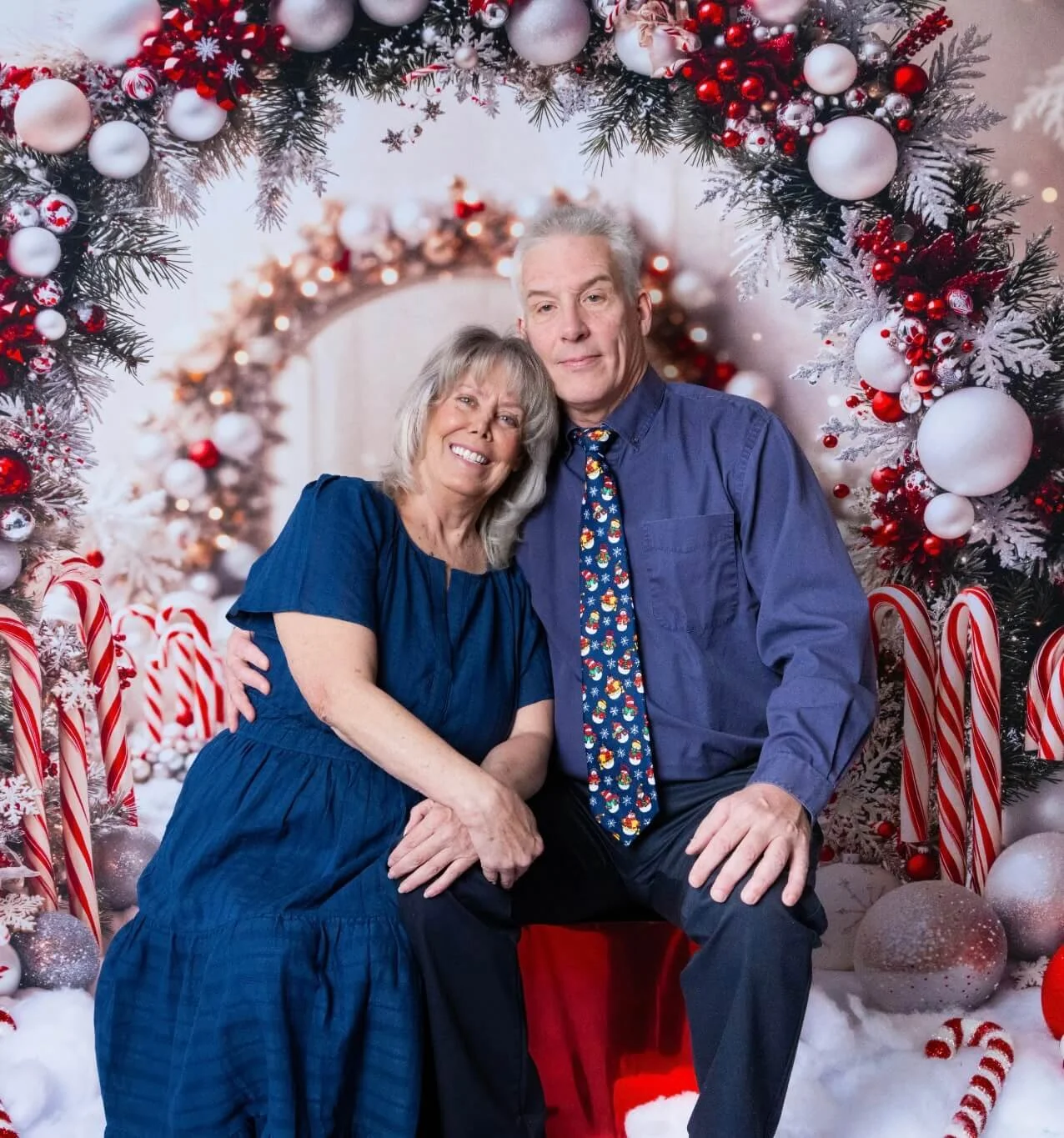
Randy and his wife, Kim.
The welcome—and the wish to leave
Kim dropped Randy off on 30 January 2025, a bitterly cold Thursday morning. He remembers being nervous as he made his way to the office. Within about a minute, several residents had come over, introduced themselves and offered a handshake. One would become his roommate.
That warmth eased his nerves. Then came the adjustment to a shared room, communal meals and unfamiliar routines. He missed the comforts of home. The other residents were in classes, and he had hours to sit with his doubts.
By late afternoon, he was on the phone to Kim. He wanted out.
She encouraged him to give it more time. On Saturday, she arrived with a care package: a pillow, a warm comforter and snacks. Seeing her mattered. So did having people around him who would listen after a difficult day.
Still, Randy resisted. He attended classes without feeling they were for him. Belonging took longer than a friendly introduction.
Then, in a class the following Tuesday, he began to recognize himself in what he was hearing. Different histories and circumstances did not change the fact that he and the other residents needed help.
“I need to be here,” he remembers realizing.
It was a beginning. From there, he describes change unfolding “class by class, day by day, week by week, month by month.”
Finding tools he could use
Kim encouraged Randy to consider what he could take from each approach. He did not have to connect with every idea in the same way to learn something useful.
Randy explains it through an image he still uses in orientation: visiting different orchards and putting fruit from each into his recovery basket. He found lessons in 12-step meetings, meditation, Indigenous teachings and SMART Recovery.
One practical exercise stayed with him. If he considered drinking, he could weigh the brief benefit against the cost: his relationship, his progress and his life. It gave him a way to pause and think beyond immediate relief.
Meditation surprised him. Something he had dismissed became useful. He also learned about smudging and continues to practise it. He still has his class notes, and returns to them.
The work did not end when he left treatment. He remains connected through Sunday alumni meetings and his Wednesday orientations. He knows recovery asks for continuing effort, and that his experience is his own.
A family welcomed in
While Randy was at Simon House, he wanted to keep seeing his granddaughters. Kim was initially unsure about bringing them. Her first visit with the girls changed that.
Residents stopped to talk with them. The girls brought pictures they had drawn or painted for their grandfather and shared them with others in the house. Soon, they knew residents by name and wanted to visit them again.
“They really embraced our family,” Kim says.
The connections continued. Randy’s granddaughters have learned about smudging alongside him. On bike rides, they help him spot and gather sage to bring to Simon House. Something he encountered in treatment has become part of time spent together.
For Kim, recovery also meant seeing the person she had fallen in love with again. Rebuilding their relationship mattered deeply to both of them. She describes feeling more appreciated; they speak of enjoying their life together again.
Their account holds both the pain of those earlier years and the pleasure of what they share now. Randy’s recovery did not erase what had happened. It gave them a chance to build something different.
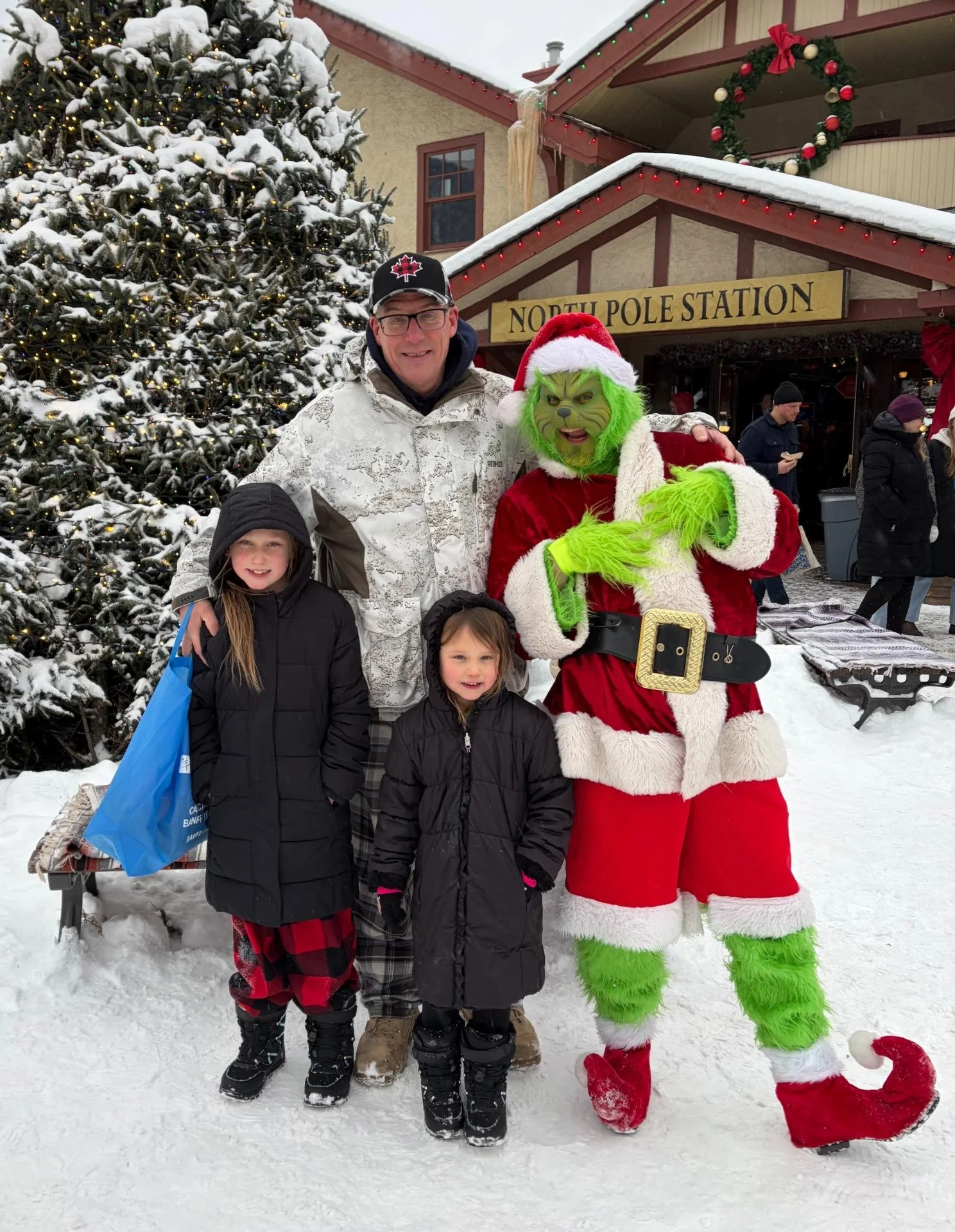
Randy with his granddaughters.
Asked what recovery has given him, Randy chooses his words carefully. He wants to talk about more than stopping drinking.
“It’s the gift of having changed my life.”
Randy found people he could be honest with, a community where he belonged, and tools to change his life. That life now includes time with Kim, their daughter and their granddaughters—and helping someone else through their first uncertain days at Simon House.
Be. Belong. Become.